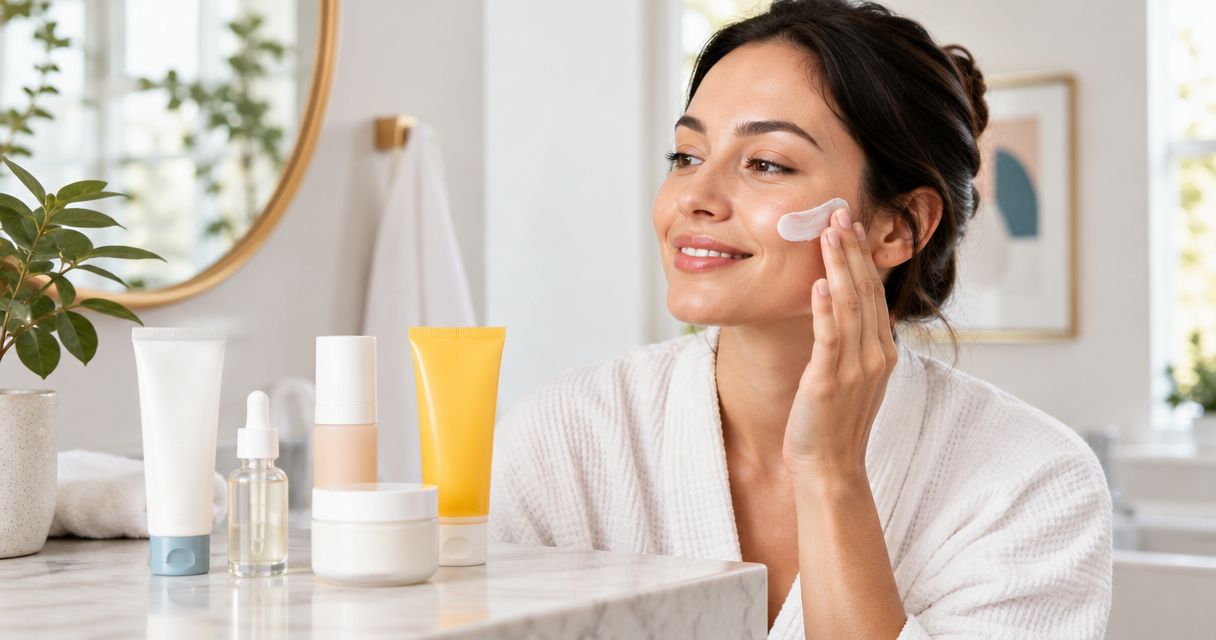
Best overall: broad-spectrum SPF 30 or higher sunscreen. Best for acne: an OTC acne medication. Best for temporary itch relief: hydrocortisone cream. The best FSA eligible skin care products address a medical need, not just appearance; this 2026 guide compares five useful categories and explains what to save for reimbursement.
- The best FSA eligible skin care products include qualifying sunscreen and OTC medicines, not ordinary cosmetic moisturizers.
- Choose broad-spectrum SPF 30 or higher sunscreen; verify the exact product with your FSA administrator.
- Reimbursable is a practical choice for eligibility lookup and receipt tracking, with unlimited free manual tracking.
- FSA claim deadlines differ from HSA reimbursement rules; save itemized receipts and avoid duplicate reimbursement.
Why this matters
An expensive serum does not become a medical expense because it sits beside acne medicine. The product's purpose, labeling and applicable reimbursement rules matter more than the skin care aisle or a retailer's eligibility badge.
For 2026 purchases, use IRS Publication 502 to understand medical versus cosmetic expenses and Publication 969 for HSA and health FSA rules. Your FSA administrator handles claim substantiation and plan deadlines. Reimbursable provides an eligibility directory and receipt tracking, but neither a directory listing nor a successful card payment replaces your supporting records.
Choose the treatment you need first, then confirm reimbursement eligibility. Spending account money on an unnecessary product is still unnecessary spending.
What makes the best FSA eligible skin care products?
These criteria put medical purpose and usable records ahead of cosmetic promises:
- Medical purpose: The product prevents or treats a qualifying condition rather than simply improving appearance.
- Clear labeling: The exact package identifies its purpose, active ingredients and directions where applicable.
- Suitable use: Sunscreen, acne medicine and antifungal cream solve different problems. One is not a substitute for another.
- Claim documentation: An itemized receipt identifies what you bought, when you bought it and the amount paid.
- Practical fit: You can use the product as directed without buying duplicates or unnecessary treatments.
A doctor's recommendation is useful medical guidance, but a doctor's letter does not automatically qualify a general-health or cosmetic expense. Ask your administrator about a disputed product before treating it as reimbursable.
FSA skin care options at a glance
These are product categories, not endorsements of particular brands or formulations. Check the exact package you intend to buy.
| Rank and category | Best for | Standout feature | Key limitation |
|---|---|---|---|
| 1. Broad-spectrum sunscreen | Routine sun protection | Protects against UVA and UVB rays | Cosmetic SPF products require closer eligibility review |
| 2. OTC acne medication | Treating acne | Drug labeling identifies an acne-treatment purpose | Ordinary cleansers and cosmetic serums do not qualify automatically |
| 3. Hydrocortisone cream | Temporary relief of appropriate itchy rashes | OTC medicine for labeled uses | Not suitable for every rash or prolonged unsupervised use |
| 4. Topical antifungal medicine | Treating labeled fungal skin infections | Targets a fungal condition | Does not treat every cause of redness or itching |
| 5. OTC wart remover | Treating common or plantar warts as labeled | Condition-specific treatment | Not appropriate for moles, uncertain growths or all body areas |
1. Broad-spectrum sunscreen: best for routine sun protection
Best for: people who need everyday protection from sun exposure. Choose a broad-spectrum sunscreen with SPF 30 or higher, consistent with American Academy of Dermatology guidance. Broad-spectrum labeling means the product protects against both UVA and UVB rays.
Common FSA sunscreen eligibility guidance uses broad-spectrum SPF 15 or higher; the SPF 30 recommendation here is a sun-protection recommendation, not a different tax threshold. Confirm the exact sunscreen with your administrator, particularly when SPF appears in makeup or a cosmetic moisturizer.
Sunscreen pros:
- Serves a clear preventive purpose.
- Broad-spectrum and SPF labels make protection easier to compare.
- Comes in different textures so you can choose one you will actually use.
Sunscreen cons:
- Needs reapplication; it is not an all-day shield.
- Added SPF does not automatically make every cosmetic product eligible.
Apply sunscreen about 15 minutes before sun exposure and reapply at least every 2 hours, following the label and reapplying after swimming or sweating. Water-resistant does not mean waterproof. Sunscreen also does not replace shade or protective clothing.
For your 2026 receipt file, retain enough product detail to distinguish sunscreen from a similarly named cosmetic product. A package photo can supplement a vague receipt, though it does not replace proof of purchase.
Verdict: Buy qualifying broad-spectrum sunscreen you will use consistently.
2. OTC acne medication: best for treating acne
Best for: treating acne rather than building a general beauty routine. OTC acne medicines with ingredients such as benzoyl peroxide or salicylic acid have a treatment purpose. Check the Drug Facts label instead of assuming every product marketed for blemish-prone skin is medicine.
An acne medication and a hydrating cleanser can belong in the same routine without having the same reimbursement status. Under current federal rules, qualifying OTC medicines do not require a prescription for HSA or health FSA reimbursement.
OTC acne medication pros:
- Addresses a specific medical condition.
- Drug Facts labeling helps identify the treatment and directions.
- Does not need a prescription solely to satisfy the federal OTC-medicine reimbursement rule.
OTC acne medication cons:
- Can cause dryness or irritation.
- Cosmetic acne-adjacent products do not qualify automatically.
Follow the label rather than combining several treatments because each appears eligible. Seek clinical guidance for persistent, painful or scarring acne instead of repeatedly buying products that are not helping.
Keep the receipt's product description and the exact formulation together. A brand can sell both medicated treatments and ordinary cosmetic products, so the brand name alone is weak documentation.
Verdict: Buy a labeled acne medicine for acne; skip eligibility assumptions about the rest of the routine.
3. Hydrocortisone cream: best for temporary itch relief
Best for: temporary relief of itching from conditions listed on the product label. OTC hydrocortisone is a topical corticosteroid, not an everyday moisturizer. Use it for the labeled purpose and duration, with medical advice when needed.
Qualifying OTC medicines are generally reimbursable through a health FSA or HSA. That does not mean every product described as soothing, calming or eczema-friendly is an eligible medicine.
Hydrocortisone cream pros:
- Has a defined medication purpose.
- Provides label directions for appropriate use.
- Gives you a clearer claim description than a generic skin care purchase.
Hydrocortisone cream cons:
- Does not address every cause of itching.
- Inappropriate or prolonged use can cause harm.
Do not treat an unexplained rash as a shopping problem. Check with a clinician or pharmacist when the diagnosis is unclear, symptoms persist or the product label directs you to seek advice.
For 2026 claims, distinguish the hydrocortisone medication from any ordinary moisturizer purchased alongside it. A treatment routine can contain both qualifying and nonqualifying expenses.
Verdict: Buy for an appropriate short-term, labeled use; skip routine use without a reason.
4. Topical antifungal medicine: best for fungal skin infections
Best for: treating a fungal condition identified in the medicine's labeling. Topical antifungals include treatments labeled for conditions such as athlete's foot or ringworm. Match the product to the condition and body area rather than choosing by the word rash.
An antifungal medicine is different from a deodorizing foot spray or ordinary body powder. Look for the actual treatment indication and Drug Facts label.
Topical antifungal medicine pros:
- Treats a specific category of infection.
- Labeling identifies intended uses and application instructions.
- Helps separate medical treatment from general grooming purchases.
Topical antifungal medicine cons:
- Will not solve nonfungal causes of similar symptoms.
- Requires following the labeled treatment course, not just applying it occasionally.
Ask a pharmacist or clinician if you are unsure what you are treating. Using an eligible medicine for the wrong condition does not make it useful care.
Save the exact product name, receipt and any claim correspondence together. Those records are more useful than a screenshot of a retailer's broad eligible-products category.
Verdict: Buy for a matching fungal condition; skip guessing from appearance alone.
5. OTC wart remover: best for labeled common or plantar warts
Best for: treating a wart that fits the product's labeled uses. OTC wart medicines are condition-specific treatments, not general products for removing unwanted marks. A mole, birthmark or uncertain skin growth is not interchangeable with a wart.
Check both the treatment indication and warnings before purchase. People with diabetes or poor circulation should pay particular attention to label restrictions and seek professional guidance.
OTC wart remover pros:
- Has a specific medical treatment purpose.
- Labeling identifies suitable sites and application steps.
- Can be documented separately from cosmetic spot treatments.
OTC wart remover cons:
- Is not appropriate for every skin growth or body area.
- Can damage surrounding skin when misused.
Do not buy a removal product simply because an account balance remains. If you cannot confidently identify the problem, have it assessed rather than treating it yourself.
Verdict: Buy only for a suitable, identified wart; skip treatment of uncertain growths.
How these categories rank
Sunscreen takes the default position because routine sun protection has a broader use case than condition-specific treatments. Acne medicine, hydrocortisone, antifungals and wart treatments rank by distinct needs, not by which medicine is strongest.
This is an eligibility-and-use guide, not a laboratory comparison. The ranking applies the criteria above: medical purpose, clear labeling, suitable use, documentation and practical fit. No product wins simply because it is expensive or carries a retailer's eligibility badge.
Pay, track and reimburse without mixing account rules
A good 2026 receipt system starts at checkout, not when a claim is questioned. Use this sequence for skin care purchases:
- Check eligibility: Identify the exact product and its medical purpose. Confirm ambiguous cosmetic combinations with your administrator.
- Save evidence: Keep an itemized receipt showing the purchase date, product and amount. Add package details when the receipt is unclear.
- Separate expenses: Identify eligible lines on a mixed basket and record any insurance or other reimbursement.
- Record reimbursement: Mark the account, reimbursed amount and date so the same expense is not claimed twice.
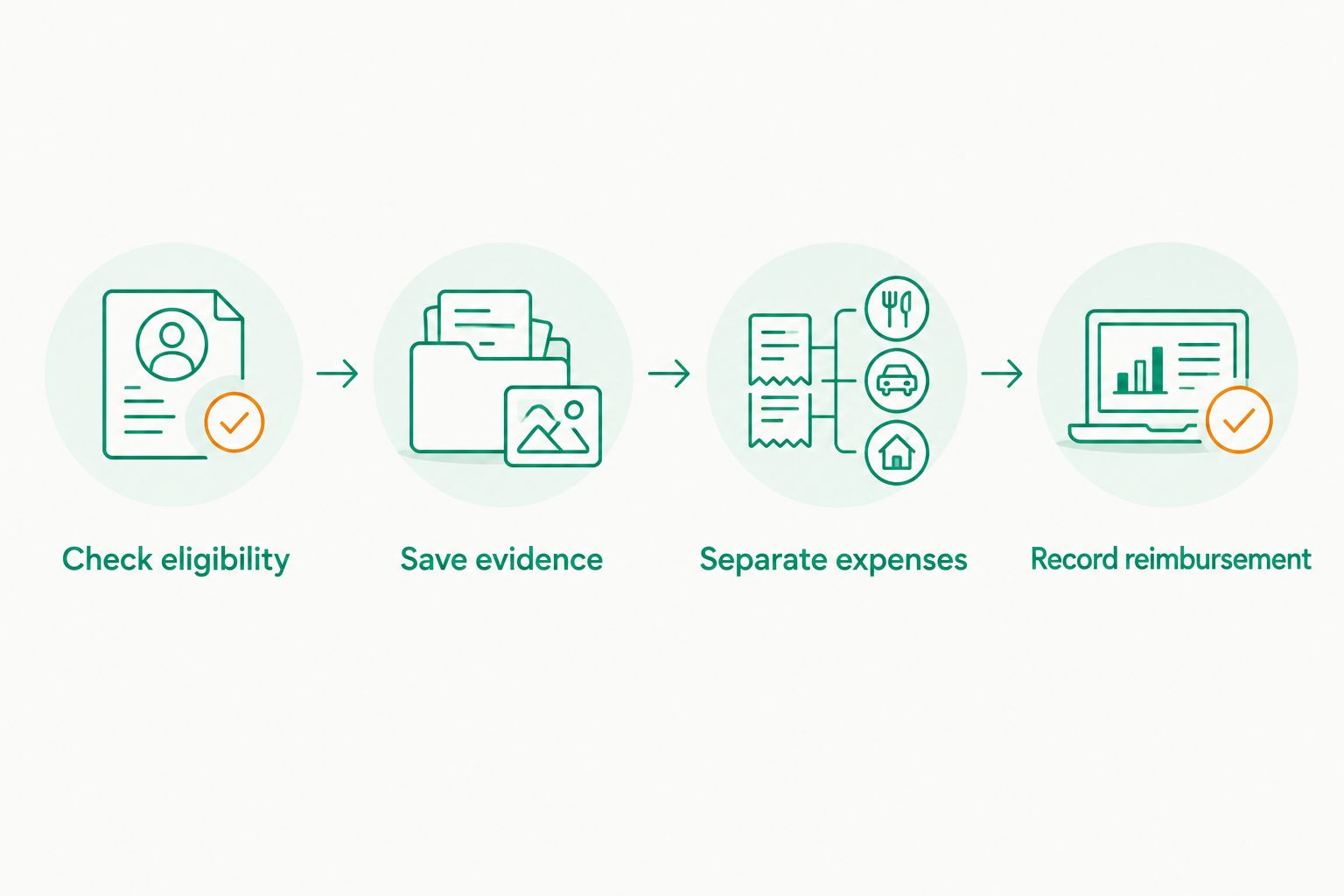
A pharmacy receipt can include sunscreen, medicine, cosmetics and household items. Use the guide to separating qualified medical expenses on mixed bills rather than recording the entire basket as eligible.
FSA deadlines are not HSA reimbursement rules
An FSA is not a long-term receipt bank. Your plan sets the coverage period and claim-submission deadline. A run-out period gives you time to submit claims; it does not automatically extend the period for incurring expenses. Carryovers and grace periods depend on the plan.
An HSA works differently. IRS guidance places no time limit on reimbursing a qualified expense incurred after the HSA was established, provided you keep adequate records. The expense cannot also be reimbursed elsewhere or claimed as an itemized medical deduction.
If you save a 2026 sunscreen receipt for later HSA reimbursement, record that the purchase occurred after your HSA was established. Do not also submit it to an FSA. One expense gets one reimbursement, not one from each account.
Choose a recordkeeping method you will maintain
Spreadsheets, digital folders, paper receipts and HSA-provider receipt tools are legitimate alternatives. Their main trade-off is the work you must do to keep receipts connected to expense details and reimbursement status.
Reimbursable offers unlimited free manual tracking. Premium adds AI receipt scanning, bank sync and email forwarding to reduce receipt administration; automation is optional, not a requirement for tax-free reimbursement. Keep original supporting records regardless of the method you choose.
Reimbursable is best for HSA holders who want eligibility lookup and receipt tracking together. If your current folder or provider tool already works, there is no tax reason to replace it.
Which skin care category should you choose?
Start with qualifying broad-spectrum sunscreen for routine sun protection. Add acne medicine, hydrocortisone, an antifungal or a wart treatment only when you have the corresponding need and the label fits your situation.
Do not make an entire cosmetic routine eligible by association. Ordinary anti-aging serums, appearance-focused treatments and general moisturizers are not automatically medical expenses. For uncertain products, get the eligibility question settled before relying on reimbursement.
Use Reimbursable for lookup and tracking when it reduces your paperwork, not as a substitute for plan rules or medical advice.
FAQ
What's the best FSA eligible sunscreen to buy?
Choose a qualifying broad-spectrum sunscreen with SPF 30 or higher that you will use consistently. SPF 30 is a sun-protection recommendation; verify the exact product's reimbursement eligibility with your FSA administrator.
Are all moisturizers with SPF FSA eligible?
No, an SPF label does not automatically make every moisturizer or cosmetic product FSA eligible. Check the exact formulation and your administrator's requirements before submitting a claim.
Can I use my FSA for acne treatments without a prescription?
Qualifying OTC acne medicines can be reimbursed without a prescription under current federal rules. Ordinary cleansers, cosmetic serums and other nonmedicated products do not qualify automatically.
Does a doctor's letter make any skin care product eligible?
No, a doctor's letter does not automatically turn a cosmetic or general-health product into a qualified medical expense. The expense must meet the applicable medical-care rules, and your administrator can require supporting documentation.
Can I save an FSA sunscreen receipt and reimburse myself years later?
An FSA claim must meet your plan's applicable expense and submission deadlines. The HSA rule allowing later reimbursement of properly documented qualified expenses does not apply to an FSA.
What should I save for later HSA reimbursement of sunscreen?
Save the itemized receipt, exact product details and reimbursement status. The qualified expense must occur after your HSA was established and cannot also be reimbursed elsewhere or deducted as an itemized medical expense.
Do I need a paid receipt app to get tax-free reimbursement?
No, a paid receipt app is not required for tax-free reimbursement. Paper files, spreadsheets, digital folders and provider tools can support your records; Reimbursable also offers unlimited free manual tracking.
One last thing
A card approval is a payment event, not your complete tax record. Before throwing away the packaging, check whether the receipt clearly identifies the sunscreen or medicine. If it does not, save a package photo alongside the receipt while the details are easy to recover.
Not tax advice; consult your tax advisor. For treatment questions, consult a qualified health professional, and follow your FSA administrator's documentation requirements.