
Best for occasional pain or fever: acetaminophen. Best for inflammatory aches: ibuprofen. The best FSA eligible over the counter medicines in 2026 depend on your symptoms, medical history, and the active ingredient—not the brand on the box.
- The best FSA eligible over the counter medicines match a specific symptom; no medicine is best for everyone.
- Acetaminophen, ibuprofen, cetirizine, fluticasone, famotidine, and vaginal clotrimazole serve different treatment needs.
- Eligible OTC medicines generally require no prescription for health FSA reimbursement; save an itemized receipt.
- Reimbursable helps consumers check HSA/FSA eligibility and track receipts; your plan administrator decides FSA claims.
Why this matters
A medicine can qualify for reimbursement and still be the wrong treatment for you. Start with the symptom, check the label, and then confirm the expense under your health FSA's rules.
Reimbursable offers an eligibility directory and receipt tracking. Use eligibility lookup to support your records, not as a substitute for a pharmacist's advice or your plan administrator's decision.
This guide covers general-purpose health FSAs. A limited-purpose FSA generally covers dental and vision expenses, so do not assume it will reimburse these medicines.
For 2026 reimbursement questions, consult the current IRS Publication 969, Health Savings Accounts and Other Tax-Favored Health Plans, for account rules. IRS Publication 502, Medical and Dental Expenses, explains medical-expense categories, but its itemized-deduction rules are not identical to health FSA rules.
What makes the best FSA-eligible OTC medicine?
Judge these 6 medicine categories by the same criteria:
- Symptom fit: The active ingredient treats the problem you actually have.
- Safety fit: Warnings, interactions, pregnancy considerations, and existing conditions allow its use.
- Ingredient clarity: A single-ingredient medicine avoids unnecessary ingredients when you have one symptom.
- Treatment role: Immediate relief, ongoing control, and treatment of an infection are different jobs.
- Documentation: The receipt identifies the medicine and supports a claim under your plan.
An eligibility label is not a medical recommendation. Ask a pharmacist when you take other medicines, have a chronic condition, or are unsure which ingredient fits.
FSA-eligible medicines at a glance
These are use-case picks, not a recommendation to buy every item. Read the Drug Facts label on the exact formulation you choose.
| Medicine | Best for | Standout feature | Key limitation |
|---|---|---|---|
| Acetaminophen | Occasional pain or fever | Treats pain and fever without being an NSAID | Does not treat inflammation; excess use can damage the liver |
| Ibuprofen | Pain with inflammation | Treats pain, fever, and inflammation | Stomach bleeding, kidney, and cardiovascular warnings |
| Cetirizine | Sneezing, itching, and runny nose from allergies | Oral antihistamine | Can cause drowsiness |
| Fluticasone nasal spray | Ongoing nasal allergy symptoms | Treats allergy-related nasal inflammation | Not an instant-relief treatment; can cause nosebleeds |
| Famotidine | Occasional heartburn | Reduces stomach acid | Not appropriate for every cause of chest or abdominal discomfort |
| Vaginal clotrimazole | Previously diagnosed, uncomplicated vaginal yeast symptoms | Treats vaginal yeast infection locally | Symptoms can resemble other conditions requiring different treatment |
1. Acetaminophen: best for occasional pain or fever
Acetaminophen treats pain and reduces fever. It is a practical option when you do not need an anti-inflammatory medicine, but it does not make every headache or fever suitable for self-treatment.
Acetaminophen pros:
- Treats common minor aches and fever.
- Is not a nonsteroidal anti-inflammatory drug, or NSAID.
- Comes in single-ingredient formulations that simplify ingredient checks.
Acetaminophen cons:
- Does not treat inflammation.
- Excess dosing can cause serious liver injury.
- Appears in combination cold medicines, creating a duplicate-dose risk.
Check every medicine's active ingredients before combining products. Ask a clinician or pharmacist about use if you have liver disease or drink alcohol regularly.
Best for: Occasional pain or fever when the label and your medical history support use.
Verdict: Buy only for a matching symptom; skip duplicate acetaminophen-containing products.
2. Ibuprofen: best for pain with inflammation
Ibuprofen is an NSAID that treats pain, fever, and inflammation. It fits a different role from acetaminophen when inflammation contributes to discomfort, such as some menstrual cramps or musculoskeletal aches.
Ibuprofen pros:
- Treats inflammation as well as pain.
- Reduces fever.
- Offers a single-ingredient alternative to combination remedies.
Ibuprofen cons:
- Carries stomach bleeding and cardiovascular warnings.
- Can affect kidney function and interact with other medicines.
- Is not appropriate for everyone during pregnancy.
Do not combine ibuprofen with another NSAID unless a clinician directs you. People taking blood thinners or managing kidney disease, ulcers, or heart disease should ask before use.
Best for: Short-term inflammatory pain when an NSAID is appropriate.
Verdict: Buy when inflammation is the treatment target; skip when warnings or interactions rule it out.
3. Cetirizine: best for sneezing and itchy allergy symptoms
Cetirizine is an oral antihistamine used for allergy symptoms such as sneezing, runny nose, and itchy, watery eyes. It does not treat a bacterial infection or replace emergency treatment for a severe allergic reaction.
Cetirizine pros:
- Addresses several common allergy symptoms.
- Does not require nasal-spray technique.
- Is available as a single-ingredient medicine.
Cetirizine cons:
- Can cause drowsiness.
- Does not address every cause of congestion or itching.
- Requires label checks for age, kidney or liver conditions, and other medicines.
Watch how cetirizine affects you before driving. Do not assume an allergy-branded combination product contains only cetirizine; added ingredients bring their own warnings.
For a 2026 FSA claim, retain a receipt showing the actual medicine purchased rather than relying on a general pharmacy transaction description.
Best for: Allergy-related sneezing, runny nose, and itching.
Verdict: Buy for a clear allergy pattern; skip as a catch-all cold treatment.
4. Fluticasone nasal spray: best for ongoing nasal allergies
Fluticasone nasal spray is a corticosteroid treatment for nasal allergy symptoms. It reduces inflammation in the nose and works differently from an oral antihistamine.
Fluticasone nasal spray pros:
- Treats allergy-related nasal congestion.
- Also addresses symptoms such as sneezing and runny nose.
- Delivers treatment directly into the nose.
Fluticasone nasal spray cons:
- Full benefit is not immediate.
- Can cause nasal irritation or nosebleeds.
- Requires correct technique and consistent use according to the label.
Ask a pharmacist to demonstrate the spray technique if you are unsure. Check the exact product's age restrictions and warnings, particularly after nasal surgery or injury.
Do not confuse a corticosteroid spray with a decongestant spray. Their directions and limitations differ.
Best for: Recurring nasal allergy symptoms that call for ongoing control.
Verdict: Buy for sustained allergy management; skip when you expect instant relief.
5. Famotidine: best for occasional heartburn
Famotidine is an acid reducer used for heartburn associated with acid indigestion. Its role is reducing acid—not treating every kind of stomach pain.
Famotidine pros:
- Targets acid-related heartburn.
- Has a different treatment role from an antacid.
- Is available as a single-ingredient option.
Famotidine cons:
- Does not explain or resolve the underlying cause of recurring symptoms.
- Requires extra caution with kidney problems and certain medicines.
- Is not appropriate for treating unexplained chest pain.
Get medical help for concerning symptoms rather than repeatedly treating them as heartburn. Chest pain, trouble swallowing, vomiting blood, or black stools require evaluation.
Check the package's treatment-duration instructions. Continuing beyond label directions because an expense is FSA-eligible is not a treatment plan.
Best for: Occasional acid-related heartburn without warning symptoms.
Verdict: Buy for familiar, occasional heartburn; skip self-treatment when symptoms persist or change.
6. Vaginal clotrimazole: best for familiar vaginal yeast symptoms
Vaginal clotrimazole is an antifungal medicine for vaginal yeast infections. It belongs on this list as a targeted treatment, not as routine intimate care or a general response to irritation.
Vaginal clotrimazole pros:
- Treats yeast locally.
- Is available without a prescription.
- Has a specific treatment purpose rather than a general-wellness claim.
Vaginal clotrimazole cons:
- Can cause local irritation.
- Does not treat bacterial vaginosis or sexually transmitted infections.
- Is a poor self-treatment choice when the diagnosis is uncertain.
Comparing yeast infection treatments starts with distinguishing antifungal treatment from symptom relief: less itching does not establish that an infection has cleared. Follow the full course on the exact package rather than stopping because symptoms improve overnight.
Seek medical advice for a first episode, recurrent symptoms, pregnancy, fever, pelvic pain, or symptoms that continue after treatment. During pregnancy, ask your clinician which treatment and duration to use.
Best for: Symptoms consistent with a previously diagnosed, uncomplicated vaginal yeast infection.
Verdict: Buy only when self-treatment fits the label; skip when symptoms need a diagnosis.
How these medicines are ranked
The ranking separates treatment needs rather than declaring one medicine universally better. Acetaminophen is the default only for occasional pain or fever when appropriate; the other entries win their own symptom categories.
Selection rests on treatment purpose, safety limitations, ingredient clarity, and reimbursement documentation. No medicine earns a recommendation simply because a retailer marks it eligible.
How to document an OTC medicine purchase
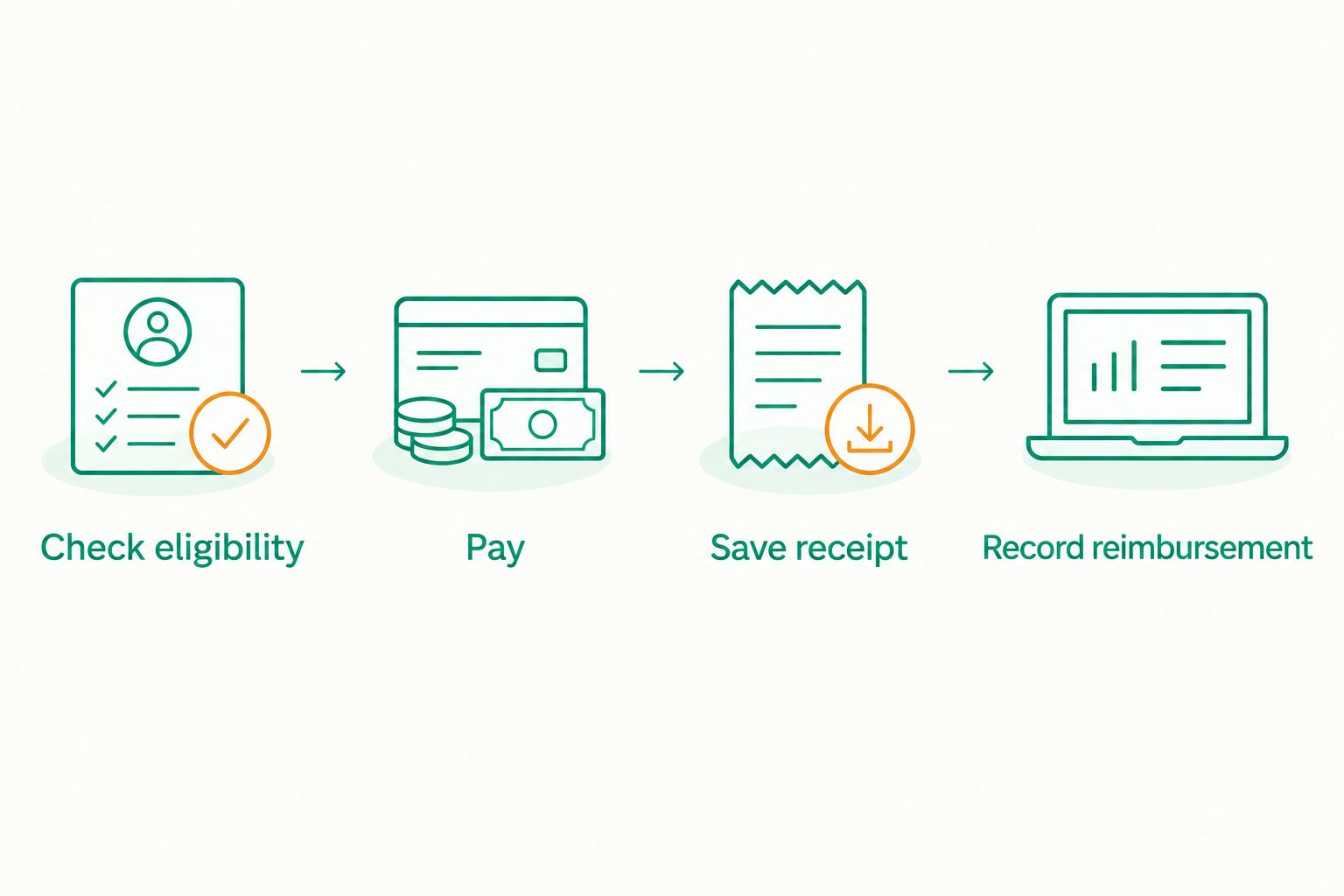
For your 2026 records, use this sequence: Check eligibility, Pay, Save receipt, Record reimbursement.
- Check eligibility: Confirm that the purchase is a qualifying medicine and that your account covers it.
- Pay: Use your FSA card or pay out of pocket and follow the plan's reimbursement procedure.
- Save receipt: Keep the itemized record, even when the card transaction succeeds.
- Record reimbursement: Mark the reimbursed amount so you do not claim the same expense again.
Capture 4 receipt fields: merchant, purchase date, medicine description, and amount paid. Keep additional documentation your administrator requests; a bank statement usually does not identify what you bought.
For a mixed shopping basket, separate eligible medicines from groceries and personal-care purchases. The method in separating qualified medical expenses on mixed bills also helps you maintain a clear expense ledger.
Reimbursable offers unlimited free manual tracking. Spreadsheets, folders, paper receipts, and your HSA provider's receipt tools are legitimate alternatives; choose the system you will maintain. If automation would reduce your receipt work, consider Premium's scanning, bank sync, and email forwarding rather than treating a paid plan as a reimbursement requirement.
FSA deadlines are not HSA reimbursement rules
These 2 account types share many eligible-expense categories but have different timing rules. Do not apply an HSA strategy to an FSA balance.
Health FSA: The medicine generally must be purchased during your coverage period. Your plan sets the claim-submission deadline and determines whether it offers a permitted carryover or grace period. A run-out period lets you submit claims; it does not automatically extend the period for new purchases.
HSA: Qualified expenses must be incurred after the HSA was established. There is no IRS deadline for reimbursing a qualifying expense later, provided you retain records and meet the other requirements.
For either account, do not seek tax-free reimbursement for an expense already reimbursed by insurance or another account. An HSA-reimbursed expense also cannot support a medical-expense deduction.
In 2026, buying an eligible medicine is still only part of the test: coverage timing, documentation, and duplicate reimbursement matter too.
Which FSA-eligible medicine should you choose?
Choose the single-ingredient medicine that treats your symptom and fits your safety requirements. For an undecided reader with occasional pain or fever, acetaminophen is the starting option to discuss with a pharmacist—not a universal winner.
Reimbursable is best for consumers who want HSA/FSA eligibility lookup alongside receipt tracking. It supports the paperwork; it does not determine which medicine you need.
FAQ
What's the best FSA-eligible over-the-counter medicine?
The best option depends on the symptom and your medical history. Acetaminophen treats pain and fever, while the other medicines in this guide address inflammation, allergies, heartburn, or vaginal yeast infection.
Do I need a prescription to use my FSA for OTC medicine in 2026?
Eligible OTC medicines generally do not require a prescription for health FSA reimbursement in 2026. Confirm your account type and retain the documentation your plan requires.
Can I buy generic medicine with my FSA?
Yes, a qualifying generic OTC medicine can be reimbursable through a health FSA. Eligibility depends on the expense and plan rules, not whether the package carries a familiar brand name.
Does an FSA card approval mean I can throw away the receipt?
No, card approval does not eliminate documentation requirements. Keep an itemized receipt and respond to any substantiation request from your administrator.
Can I reimburse the same medicine from both my HSA and FSA?
No, you cannot reimburse the same expense twice. Record which account paid and any reimbursement already received.
Are vitamins eligible if my doctor writes a letter?
A doctor's letter does not automatically make a general-health vitamin eligible. Treatment of a specific medical condition requires a different eligibility analysis and supporting documentation.
Can I save an FSA receipt and reimburse myself years later?
An FSA does not follow the HSA's open-ended reimbursement timing. Submit FSA claims by your plan's deadline; delayed HSA reimbursement follows separate requirements.
One last thing
Before filing a receipt, record its reimbursement status. A perfectly readable receipt does not tell you whether insurance, an FSA, or an HSA has already paid the expense.
Not tax advice; consult your tax advisor. Ask a pharmacist or clinician about treatment choices and your plan administrator about FSA claims.